








ConnecticutInsurance Appraiser

Independent property claim appraisal · Statewide

Connecticut Insurance Appraiser for claims that were accepted, then underpaid

Your insurer agreed the damage is covered. The check still won’t pay for the repair. Connecticut Insurance Appraiser writes an independent, line-by-line valuation of your loss and carries it through the appraisal clause in your policy.

Free claim review

169Connecticut towns and cities served
8Counties, from Fairfield to Windham
12Appraisal and estimating services
7Free claim calculators

Second opinion, first-hand measurements

The Connecticut Insurance Appraiser behind the second opinion

Most short claims aren’t denials. They are estimates that skipped a roof plane, priced plaster as drywall, or left the crane out of a tree removal. Connecticut Insurance Appraiser exists for the space between “covered” and “paid in full.”

We start from our own inspection, never from an edited copy of the carrier’s file. Then we price what we can defend, because an umpire rewards credible numbers and discounts inflated ones. When a claim needs an attorney or a public adjuster instead, a Connecticut Insurance Appraiser conversation will tell you that on the first call.

  • Independent scope. Measured and photographed by us.
  • Connecticut pricing. Line items priced for your ZIP code.
  • Plain reporting. Every difference explained in writing.
How we work
Where estimates thin outIllustrative example
Line itemCarrierIndependent
Roof squares (9/12 colonial)18.023.4
Steep-roof labor—Included
Ice-and-water shield at eaves—Included
Plaster ceiling repairDrywallPlaster
Tree removal from roof (crane)—Included
Overhead & profit—10% + 10%
Replacement cost$21,300$38,700

Figures are illustrative only, not a client result.

Appraisal & estimating

Twelve kinds of loss, one valuation discipline

Each Connecticut Insurance Appraiser service starts the same way: an accurate scope of what was damaged and an honest price for putting it back. Begin with an estimate review, or bring us in once appraisal is demanded.

01

Appraisal Clause Representation

We act as the appraiser you name after you or your carrier demands appraisal under the policy.

View service
02

Homeowners Claim Appraisal

Independent valuation for single-family, multifamily and condo-unit claims when the carrier’s estimate falls short.

View service
03

Commercial, Condo & HOA Appraisal

Appraisal for offices, retail, industrial buildings, condo associations and mixed-use properties with large disputes.

View service
04

Roof & Hail Damage Appraisal

Roof-plane measurements, hail and wind documentation, and pricing for asphalt, slate, wood and metal roofs.

View service
05

Wind & Tornado Damage Appraisal

Valuation of roof, siding and structural damage from thunderstorms, microbursts, nor’easters and tornadoes.

View service
06

Hurricane & Tropical Storm Appraisal

Shoreline and inland claims from hurricanes and tropical storms, including wind versus water questions.

View service
07

Water & Frozen Pipe Damage Appraisal

Burst pipes, appliance leaks and storm water entry, with drying, demolition and rebuild scope fully valued.

View service
08

Fire & Smoke Damage Appraisal

Structure, smoke, soot and contents valuation after kitchen fires, chimney fires and total losses.

View service
09

Fallen Tree Damage Appraisal

Connecticut’s signature peril: oaks and maples through roofs, decks and garages after nor’easters and tropical storms.

View service
10

Ice Dam & Winter Storm Appraisal

Ice dam leaks, snow-load damage and roof collapses from Connecticut’s heavy winters and blizzards.

View service
11

Insurance Estimate Review

A line-by-line review of the carrier’s estimate so you know exactly what is missing before you dispute anything.

View service
12

Umpire Services

Neutral umpire services for appraisal panels that need an experienced, impartial third member.

View service

Compare every service

Storm almanac

A storm almanac for Connecticut property owners

A Connecticut Insurance Appraiser reads every file against the storm that caused it. These are the events that still shape how carriers, contractors and panels think about damage here.

  1. 1938

    The Great New England Hurricane

    Struck without warning on September 21 and reshaped the shoreline from Old Saybrook to Stonington. Still the benchmark for Connecticut wind and surge.

  2. 1955

    The August floods

    Remnants of Connie and Diane sent the Naugatuck, Farmington and Quinebaug rivers through Waterbury, Torrington, Winsted and Putnam.

  3. 1979

    Windsor Locks tornado

    An October tornado tore through Windsor and Windsor Locks, one of the strongest ever recorded in New England.

  4. 1985

    Hurricane Gloria

    Crossed the coast near Milford in September, toppling trees and knocking out power across most of the state.

  5. 1989

    Hamden tornado

    A July tornado cut through Hamden and parts of New Haven, damaging hundreds of homes.

  6. 2011

    Irene, then the October nor’easter

    Irene battered the shoreline in August. Two months later, heavy snow on leafed-out trees caused record outages and tree damage inland.

  7. 2012

    Superstorm Sandy

    Record surge flooded shoreline neighborhoods from Greenwich to East Haven and beyond.

  8. 2013

    February blizzard

    Two to three feet of snow buried much of the state; Hamden measured about 40 inches.

  9. 2018

    May 15 tornadoes

    Several tornadoes and a macroburst crossed New Haven and Fairfield counties in one afternoon.

  10. 2020

    Tropical Storm Isaias

    Gusts brought down trees and wires in nearly every town, with outages lasting a week in places.

  11. 2021

    Henri and Ida

    Henri threatened the coast in August; weeks later Ida’s remnants caused flash flooding inland.

Six regions

Six corners of the Nutmeg State, six claim patterns

Connecticut is small, but its claims are not uniform. A Connecticut Insurance Appraiser prices a Greenwich waterfront house, a Waterbury three-decker and a Litchfield barn very differently.

Greenwich · Stamford · Norwalk · Bridgeport

Fairfield County & the Gold Coast

  • Hurricane & surge
  • Tree falls
  • High-value homes

Waterfront homes from Byram to Black Rock face Long Island Sound, while backcountry estates sit under tall oaks. Sandy and Isaias left both kinds of damage.

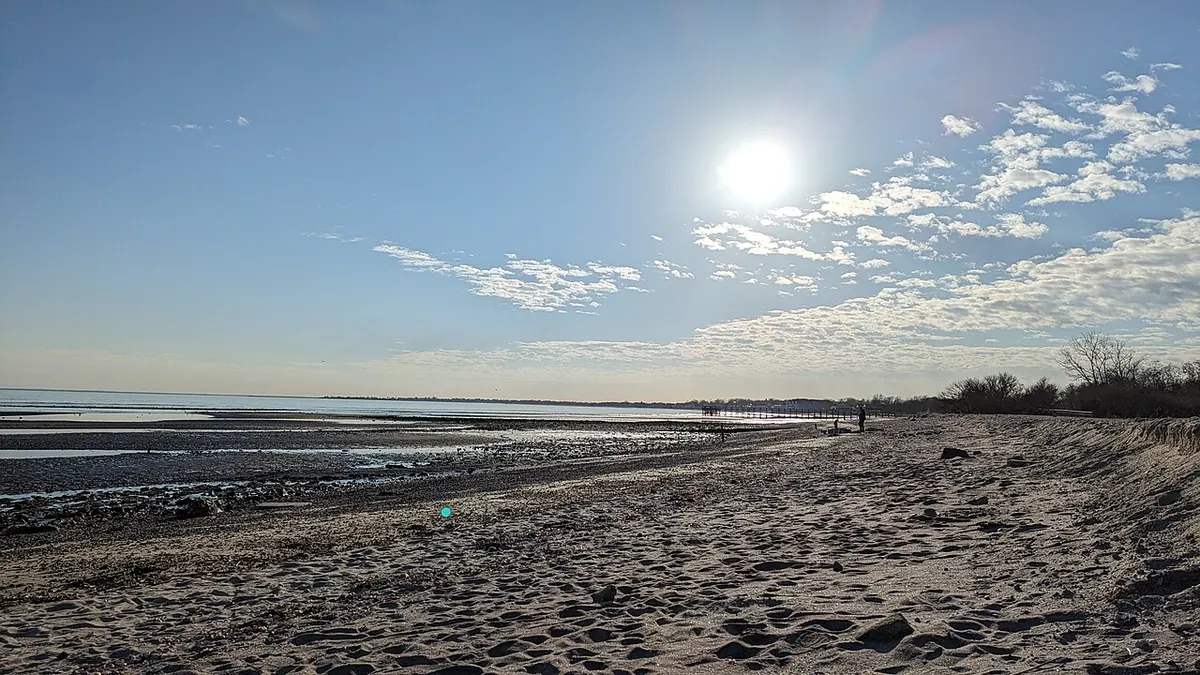
Hartford · West Hartford · Manchester

Greater Hartford

  • Ice dams
  • Tree falls
  • Three-families

The Capitol Region’s older housing, from Asylum Hill Victorians to West Hartford colonials, makes plaster, slate and matching the usual sticking points.

New Haven · Milford · Guilford · Old Saybrook

New Haven & the Shoreline

  • Coastal wind
  • Tornado history
  • Beach homes

From the 1989 Hamden tornado to Irene and Sandy on Milford’s beaches, the central shoreline sees wind from every direction.

Waterbury · Danbury · Naugatuck · Shelton

Naugatuck & Housatonic Valleys

  • Hail
  • Frozen pipes
  • Mill buildings

Inland valleys see more summer hail than the coast and harsher winters. Brick mills and hillside three-deckers add their own complications.

Torrington · Litchfield · New Milford · Winsted

Litchfield Hills

  • Snow load
  • Barns & outbuildings
  • Second homes

Higher ground means heavier snow, longer freezes and more seasonal homes, so heat, vacancy and collapse wording all come into play.

New London · Groton · Norwich · Willimantic

Eastern Connecticut & the Quiet Corner

  • Hurricane history
  • Historic buildings
  • Rural property

The 1938 hurricane hit New London hardest. Today the region mixes shoreline exposure, historic downtowns and rural homes on large lots.

The process

From demand letter to two signatures

The appraisal clause turns an open-ended argument into eight defined steps with a binding result. This is how a Connecticut Insurance Appraiser file moves.

Read the process guide
  1. 1

    Pin down the disagreement

    Confirm coverage is accepted and that the dispute is about the amount of loss: scope, price, matching or the value of contents.

  2. 2

    Read the appraisal condition

    Find the appraisal paragraph in your policy and note who may demand it, how, and how many days each side has to name an appraiser.

  3. 3

    Send the written demand

    Demand appraisal in writing, identify the claim and the disputed amount, and keep proof of delivery.

  4. 4

    Name the appraisers

    Each side names a competent and disinterested appraiser within the policy’s window and tells the other side who it is.

  5. 5

    Select the umpire

    The two appraisers agree on a neutral umpire. If they can’t, either side can usually ask a court to appoint one.

  6. 6

    Inspect, compare and negotiate

    The appraisers inspect, exchange estimates and resolve as many line items as they can between themselves.

  7. 7

    Submit open items to the umpire

    Anything still in dispute goes to the umpire with photos, measurements and pricing support from both appraisers.

  8. 8

    Sign the award and get paid

    An award signed by any two of the three sets the amount of loss. The carrier then pays under the policy’s terms.

Quick check

Run your two numbers

Enter the carrier’s estimate and your contractor’s. If the difference is large, talking to a Connecticut Insurance Appraiser makes sense. If it is small, a documented supplement may close it faster.

The full claim gap and fee estimator adds appraiser and umpire fees and shows your break-even point.

Open all seven tools
Two-number gap checkNo sign-up
50%
of the disputed amount
Amount in dispute$0
Gap vs. carrier estimate—
Projected award$0
Increase before fees$0

Choosing help

Appraiser, public adjuster or attorney?

Each solves a different problem. A Connecticut Insurance Appraiser will point you elsewhere when appraisal is the wrong tool.

Connecticut Insurance Appraiser

Values the amount of loss

  • Coverage accepted, number disputed
  • Binding award on the amount
  • Fee agreed in writing up front

Public adjuster

Manages the whole claim

  • Best early, from first notice
  • Negotiated settlement
  • Usually a percentage fee

Attorney

Handles legal disputes

  • Denials and coverage fights
  • Unfair-practice claims
  • Suit deadlines

FAQ

Questions people ask a Connecticut Insurance Appraiser

Straight answers on how appraisal works, what it costs and when it is the wrong move.

What does a Connecticut Insurance Appraiser do?

A Connecticut Insurance Appraiser values property damage when you and your insurer agree the loss is covered but disagree about the cost. As your named appraiser we inspect, write an independent line-item estimate, work with the carrier’s appraiser and, if needed, present open items to a neutral umpire.

How is an appraiser different from a public adjuster?

A public adjuster manages and negotiates the whole claim, usually for a percentage. An appraiser works inside the policy’s appraisal clause on one question: the amount of loss. We don’t negotiate outside appraisal and we don’t give legal advice.

When is it worth calling a Connecticut Insurance Appraiser?

When coverage is accepted, you have the carrier’s estimate, and the gap between it and a qualified contractor’s number is meaningful, often more than about 10% or several thousand dollars.

Is the appraisal award binding?

On the amount of loss, yes, once two of the three panel members sign. That is why documentation should be in place before appraisal is demanded.

What does it cost?

Each side pays its own appraiser and usually half of any umpire fee. We put our fee in writing before any work begins, and the first conversation is free.

Do you cover my town?

Yes. We work in all 169 Connecticut towns and cities, in every one of the state’s eight counties.

Claim insights

Read this before you demand appraisal

Practical guides from Connecticut Insurance Appraiser on deductibles, tree claims, ice dams and reading estimates.

All guides

Before you sign off

The cheapest time to question a settlement is before you accept it

A short review now can keep you from closing a claim that won’t cover the repair.

Start with a conversation

Talk with a Connecticut Insurance Appraiser about your claim

Tell us what happened and what the carrier offered. We’ll review it and tell you plainly whether appraisal is worth pursuing.

Tell us about your claim

Free review, no obligation. We usually reply within one business day.

Call nowFree review